

High-Protein Anti-Inflammatory Dinners for Perimenopause Weight Loss
6 Weeknight Meals That Actually Work

If you're in perimenopause or menopause and the weight won't budge no matter what you try… this is for you.
These are the six dinners I lean on when I want to support my metabolism, reduce inflammation, and feel good in my body, without spending an hour in the kitchen or making separate meals for my family.
Simple. High-protein. Anti-inflammatory. Family-friendly. Done.

Why Your Old Approach Stopped Working
Here's what most women don't know: after 40, your body changes the rules.
Estrogen drops. Cortisol sensitivity increases. Insulin resistance becomes more common. And the eat-less-move-more strategy that maybe worked at 35 now actively works against you - spiking cortisol, breaking down muscle, and signalling your body to hold onto fat, especially around your middle.
The fix isn't eating less. It's eating smarter (specifically, more protein and more anti-inflammatory foods that work with your hormones instead of against them).
Why Protein Is Non-Negotiable After 40
Protein keeps you full, supports lean muscle, balances blood sugar, and reduces cravings. Most women in perimenopause are eating 50–70g per day. Research suggests you need closer to 100–130g to support your metabolism and muscle at this stage of life.
Build your dinners around:
Animal proteins: Chicken, turkey, lean beef, fish, shrimp, eggs
Plant proteins: Tofu, edamame, cottage cheese, Greek yogurt, lentils, protein-rich pasta
When dinner has enough protein, the evening sugar craving quiets down. Because your blood sugar is actually stable.
Why Anti-Inflammatory Eating Matters for Belly Fat, Sleep + Hormones
Bloating. Puffiness. Fatigue. Achy joints. Poor sleep. These aren't random — inflammation is almost always part of the picture.
Eat more of: Colourful vegetables, lean proteins, healthy fats (avocado, olive oil, nuts), fibre-rich carbs, ginger, garlic, turmeric, cinnamon
Eat less of: Ultra-processed foods, excess sugar, alcohol, skipping meals then overeating, living on coffee until 2pm
You don't need to be perfect. You need a few meals that work on repeat.
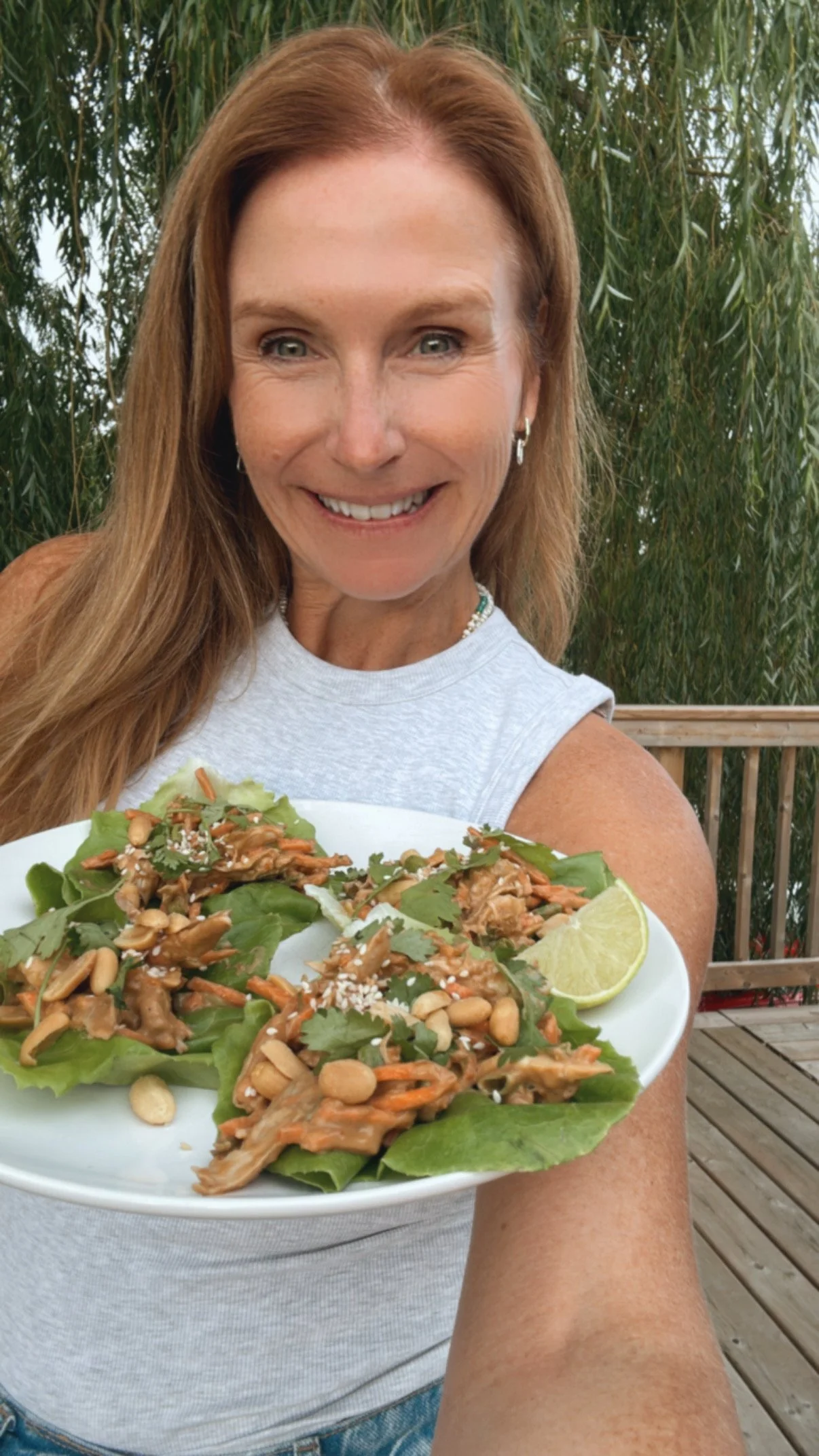
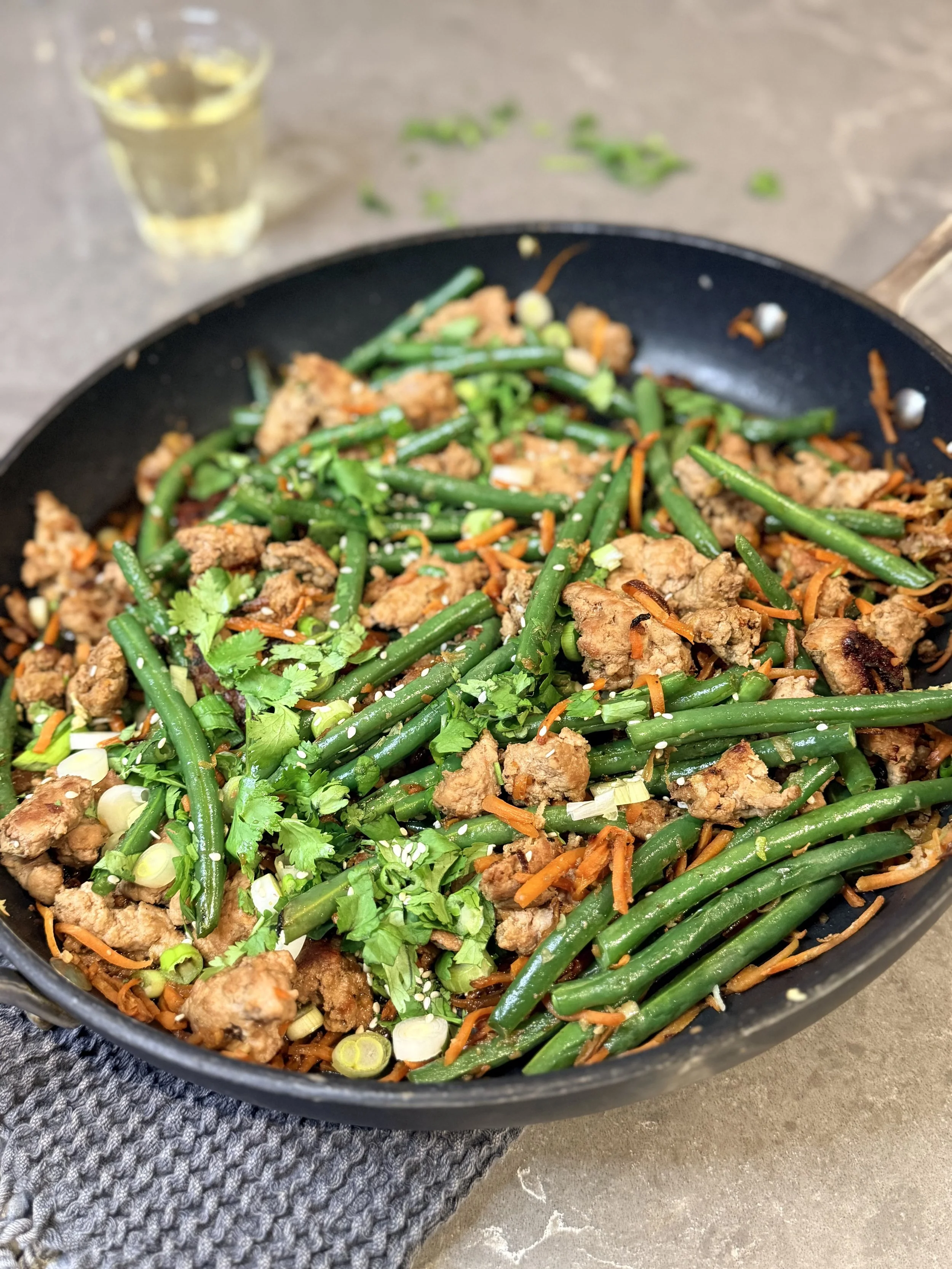
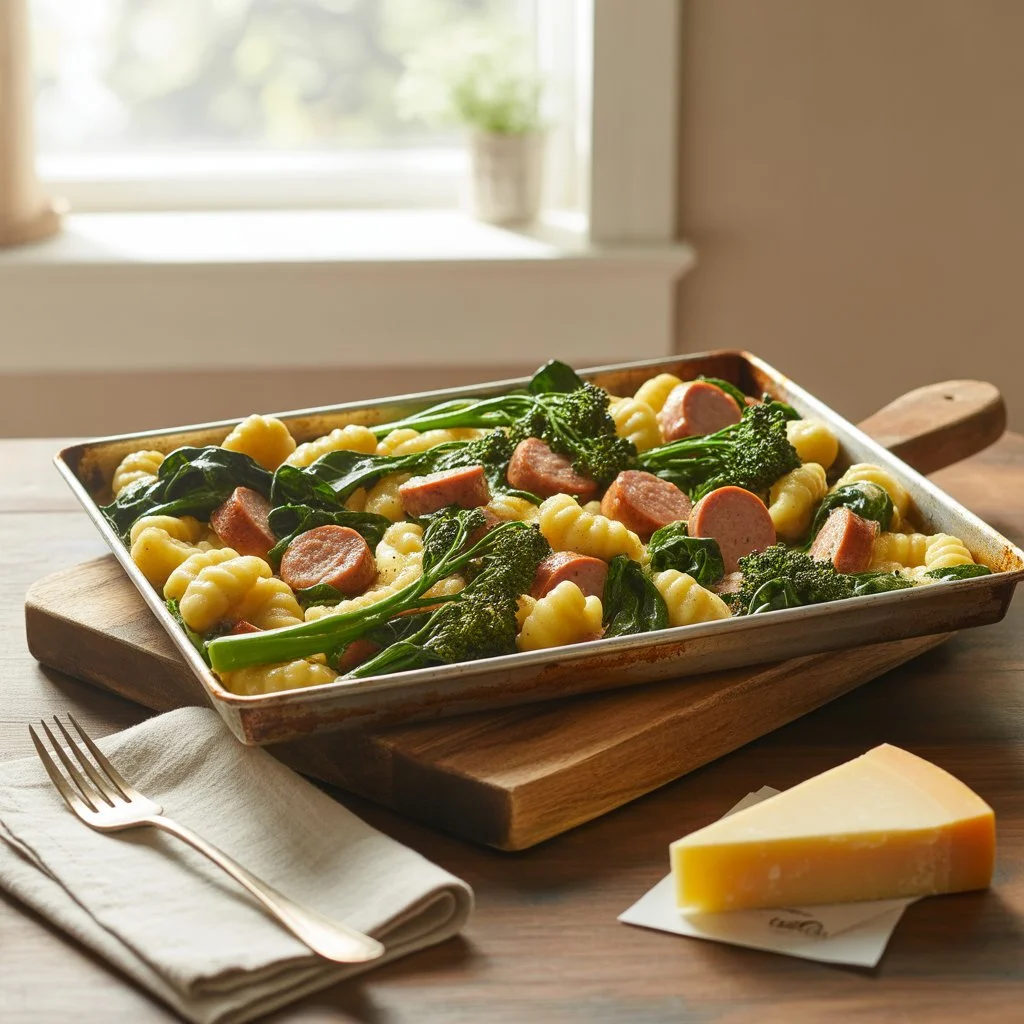
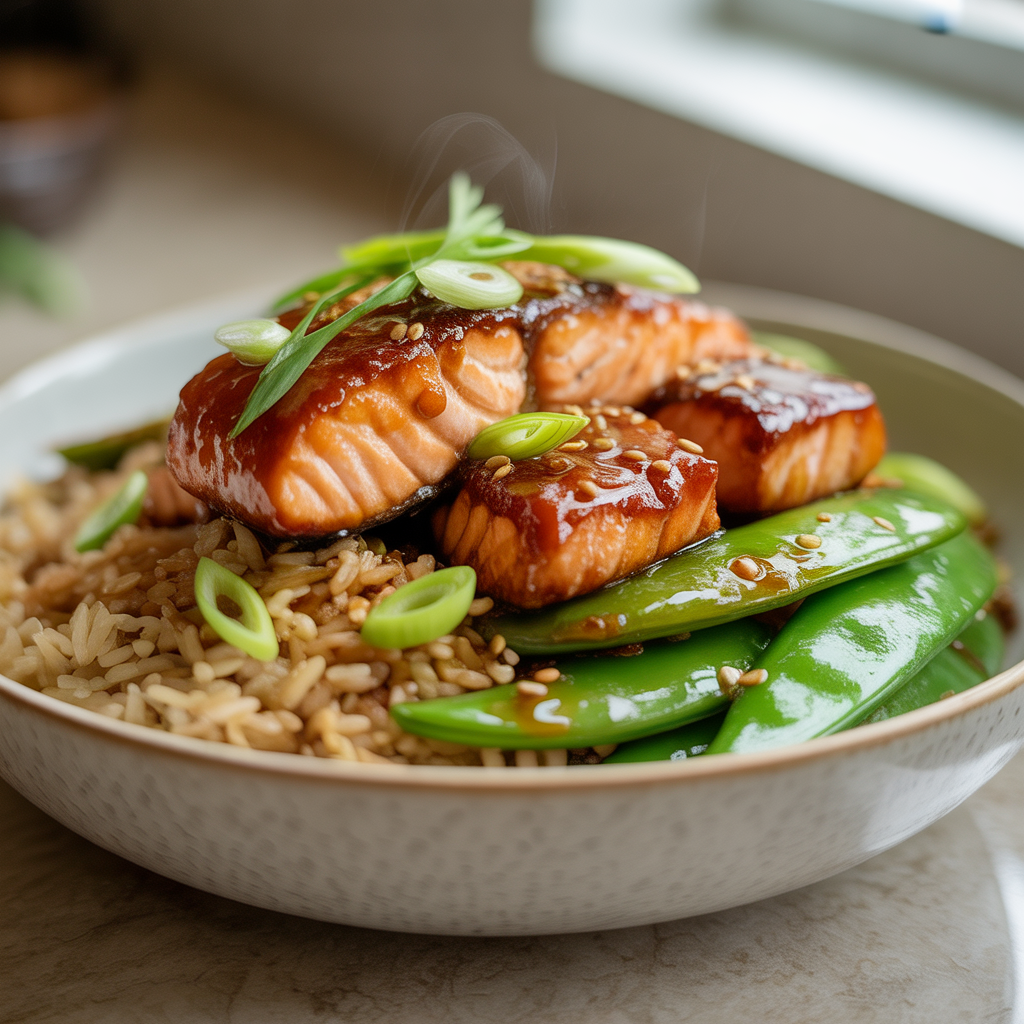
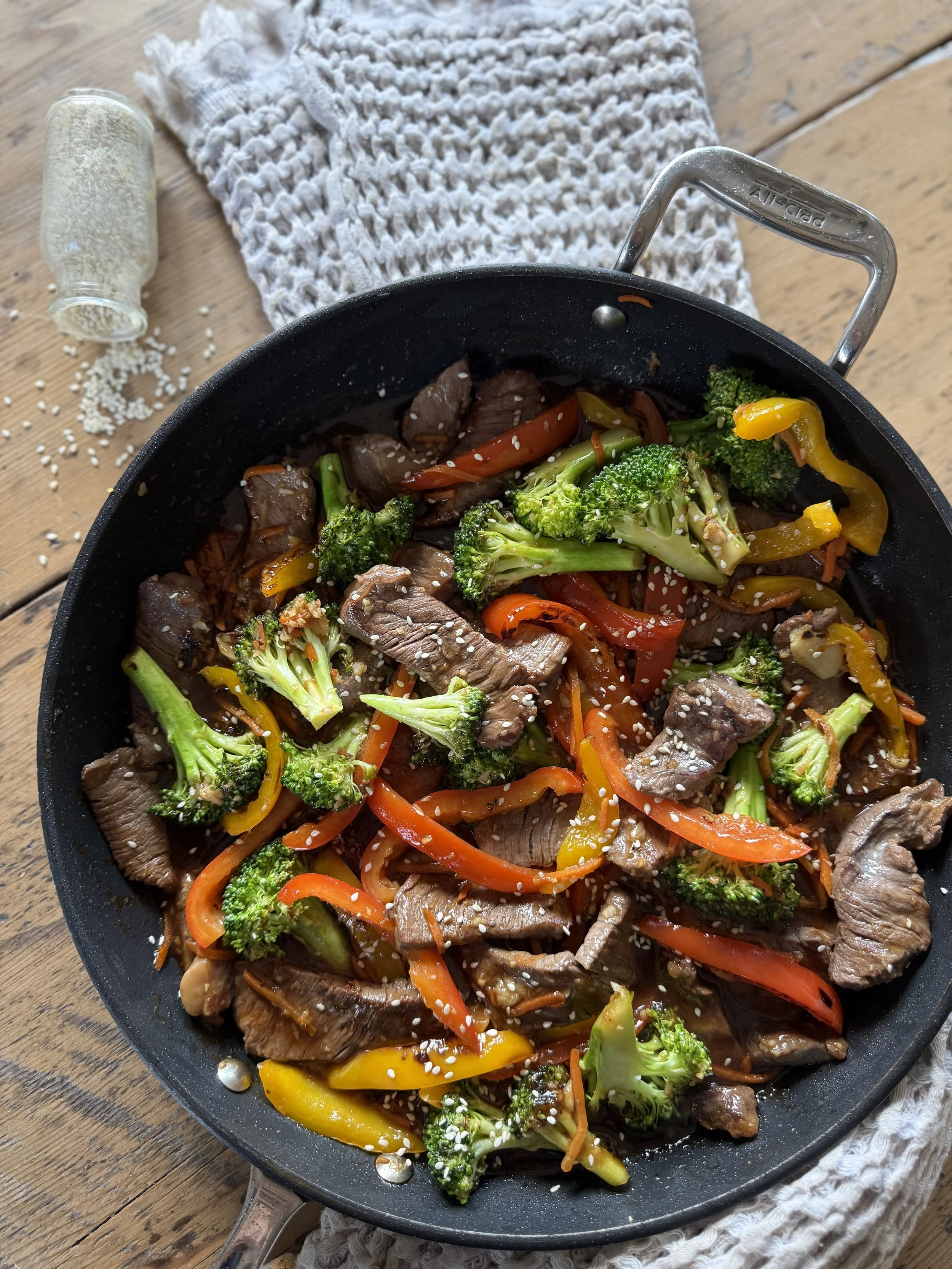
6 High-Protein Anti-Inflammatory Weeknight Dinners
The Bottom Line
You don't need another extreme diet. You need a handful of simple, repeatable meals that remove the decision fatigue and keep your body nourished.
Consistency beats perfection. Every time.
A few good meals on rotation, enough protein, and a plan that fits your real life — that's what actually moves the needle.
FAQ
-
Most research points to 100–130g of protein per day for women in perimenopause and menopause. Significantly more than the average woman eats. Spreading it across three meals, starting with a protein-forward breakfast, is the most effective approach.
-
Diet is a powerful lever but it works best alongside strength training, cortisol management, and quality sleep. Belly fat in perimenopause is largely driven by elevated cortisol and insulin resistance. I’ve found that addressing both through food and lifestyle together is the most effective strategy.
-
It's one of the simplest shifts you can make for your metabolism: 30 grams of protein within 30 minutes of waking, followed by 30 minutes of low-intensity movement. This combination stabilizes cortisol, regulates blood sugar, and sets your hunger hormones up for the entire day. Learn more about the 30/30/30 method here →
Ready to go deeper?
If you're navigating perimenopause or menopause and weight, energy, sleep, and cravings all feel harder than they should — it's not you. It's your hormones. And your body isn't broken. It just needs a different strategy.
Download my free guide: Why the Weight Won't Budge — and get the exact shifts I walk my clients through to start feeling better in their bodies right away.